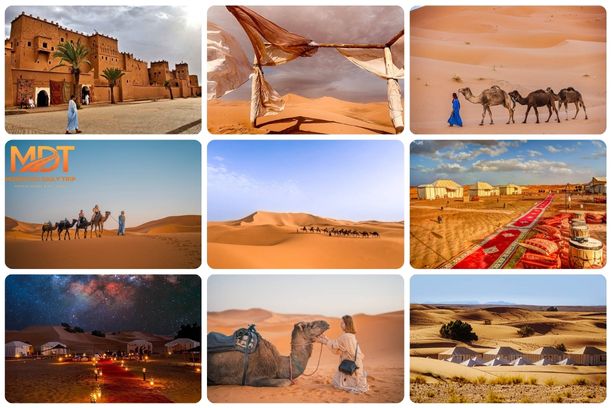
This 2 Days desert tour from Marrakech is designed for travelers with limited time who still want to experience Morocco’s dramatic landscapes and desert atmosphere. The journey crosses the High Atlas Mountains, passing traditional Berber villages, scenic valleys, and historic kasbahs before reaching the edge of the Sahara. Along the way, travelers enjoy ever-changing scenery and cultural highlights that showcase Morocco’s diversity. Though short, the tour delivers a memorable desert experience through long but scenic drives, authentic moments, and a true sense of adventure, making it an ideal option for those seeking a quick yet meaningful desert escape from Marrakech.
If this 2 Days desert tour from Marrakech doesn’t fully match your plans, we’re happy to shape it around your preferences. Simply reach out, and we’ll refine the route, adjust the pace, and personalize the experience to suit your interests. Whether you’re looking for deeper cultural insight, a more relaxed journey, or a touch of adventure, our goal is to design a Morocco desert experience that feels authentic, effortless, and perfectly aligned with your travel style.
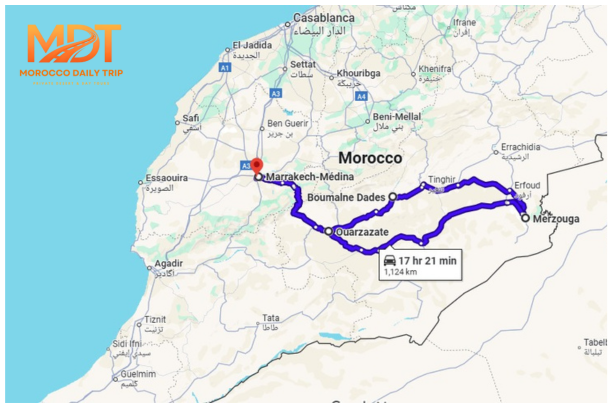
The 2-day desert tour begins early in the morning with a transfer from your riad in Marrakech. You will head south, crossing the High Atlas Mountains on winding roads, passing through traditional Berber villages and scenic valleys. During the journey, there will be stops at panoramic viewpoints to enjoy the scenery and take photographs. The journey continues to southeastern Morocco, with a visit to the Todra Gorges, where you can admire the impressive canyons and rock formations.
Afterwards, there is a stop for lunch in Touroug, enjoying local food and a rest before continuing on to Merzouga. Upon arrival in Merzouga in the afternoon, you will see the first golden dunes of the Sahara and take a camel ride at sunset, enjoying the silence and colors of the desert. Finally, you will arrive at the desert camp, where you will be offered a traditional dinner, Berber music, and rest under the stars.
The second day begins early with the chance to watch the sunrise over the dunes. After breakfast, you leave the camp and meet your driver, beginning the return journey to Marrakech. The trip continues through the Draa Valley, with its palm groves, kasbahs, and traditional villages, and on to Tazarine and Nakoub, revealing rocky deserts and semi-arid landscapes.
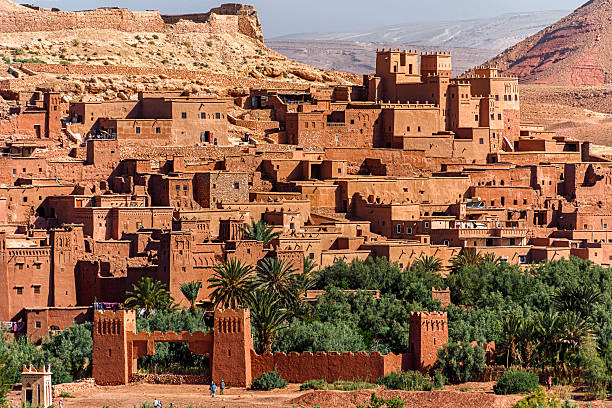
Before re-entering the High Atlas, there is a stop at the kasbah of Ait Ben Haddou, a UNESCO World Heritage Site, to explore its adobe architecture and learn about its history as an important caravan stop. Finally, you cross the valleys and Berber villages of the High Atlas until you reach Marrakech, concluding the tour with unforgettable memories of the desert and Moroccan landscapes.

Our 2-day desert tour with Aziz exceeded every expectation. He managed long drives smoothly, kept us comfortable, and shared genuine cultural insight throughout the journey. The experience felt well organized, relaxed, and authentic. Aziz’s professionalism and friendly attitude made the Sahara adventure memorable from start to finish for us all.

Traveling with Rachid on our 2-day Marrakech to Merzouga tour was outstanding. He stayed attentive, punctual, and calm during the entire trip. Scenic stops felt perfectly timed, and his local knowledge added depth. Rachid created a safe, enjoyable atmosphere that turned a short desert journey into a truly special experience.
We create private tours that focus on real human connection rather than rigid itineraries. Our drivers and local guides bring deep knowledge of Morocco and a genuine passion for sharing its culture, traditions, and everyday life. Through authentic encounters and local insight, they help you experience the country in a personal and meaningful way. This approach transforms every journey into a memorable Morocco experience that stays with you long after the trip ends.
Yes, a short desert tour delivers a powerful experience when planned well. You still cross mountains, visit historic kasbahs, enjoy a camel ride, and spend a night in the Sahara. The journey feels intense but rewarding, especially for travelers with limited time.
The camel ride usually lasts between 45 minutes and one hour. Guides keep a calm pace so you can enjoy the desert scenery, silence, and sunset without feeling rushed or uncomfortable.
The driver transports your main luggage to the desert camp by vehicle. You only carry a small backpack with essentials such as water, a camera, and warm clothing. Your luggage waits for you at the camp.
Desert camps offer proper beds, clean bedding, and well-maintained bathrooms. Luxury camps also provide private bathrooms, electricity, and spacious tents, allowing you to enjoy the desert without sacrificing comfort.
Most camps use solar power for lighting and device charging. Some camps offer Wi-Fi in common areas, but the signal can be limited due to the remote desert location. Many travelers enjoy disconnecting.
Bring comfortable clothes, light layers for daytime, and a warm jacket for the evening. Sunglasses, sunscreen, closed shoes or sandals, and a scarf help protect against sun and sand.
Yes. Camel rides suit beginners well. Local guides assist you when mounting and dismounting, and the camels follow a steady, relaxed pace. A 4×4 transfer can replace the camel ride if needed.
The tour uses a modern, air-conditioned 4×4 or minivan, depending on group size. These vehicles provide comfort and safety on mountain roads and desert routes.
Spring and autumn offer the most comfortable temperatures. Summer tours remain possible with early departures, while winter nights in the desert feel colder but still manageable with proper clothing.
You can expect a journey focused on scenery, culture, and real local encounters. The tour emphasizes meaningful moments, comfort, and authentic experiences rather than rushing through destinations.
Morocco is deeply rooted in traditions, hospitality, and respect. Visitors are warmly welcomed, especially when they show sensitivity to local customs. Modest clothing is recommended in religious sites and smaller towns, while major cities are more relaxed. Simple gestures like greeting people politely or asking before taking photos create positive and respectful interactions.
The local currency is the Moroccan Dirham (MAD). While hotels and upscale restaurants accept credit cards, cash is essential for markets, small shops, and rural areas. Bargaining is a normal and friendly part of shopping in souks done with good humor, it becomes an enjoyable cultural exchange rather than a negotiation.
Morocco is larger than it appears on maps. Distances between destinations may involve several hours of driving, especially when crossing mountains or desert regions. Travel days are part of the experience, offering changing landscapes, scenic stops, and cultural encounters. A relaxed mindset helps you fully enjoy the journey.
Comfort is key when traveling in Morocco. Bring comfortable walking shoes for medinas and historic sites, light clothing for daytime, and a warmer layer for evenings, especially in the desert or mountains. Sun protection, a small backpack, and reusable water bottles are highly recommended.
Moroccan cuisine is rich, flavorful, and diverse. While meals are generally safe in restaurants and hotels, bottled water is recommended for drinking. If you have dietary restrictions or allergies, inform your tour provider in advance Moroccan cuisine is flexible and accommodating when prepared with notice.
Wi-Fi is available in most hotels and riads, though speeds may vary. Local SIM cards with internet data are affordable and easy to purchase at the airport or in cities. Staying connected is generally easy, even while traveling between regions.
| Before the Tour | During the Tour | After the Tour |
|---|---|---|
| Personal trip consultation | Private Vehicle, assistance | Departure assistance |
| Tailor-made itinerary | Expert guides and drivers | Follow-up support |
| Pre-travel guidance | Carefully selected Riads | Lasting local connection |